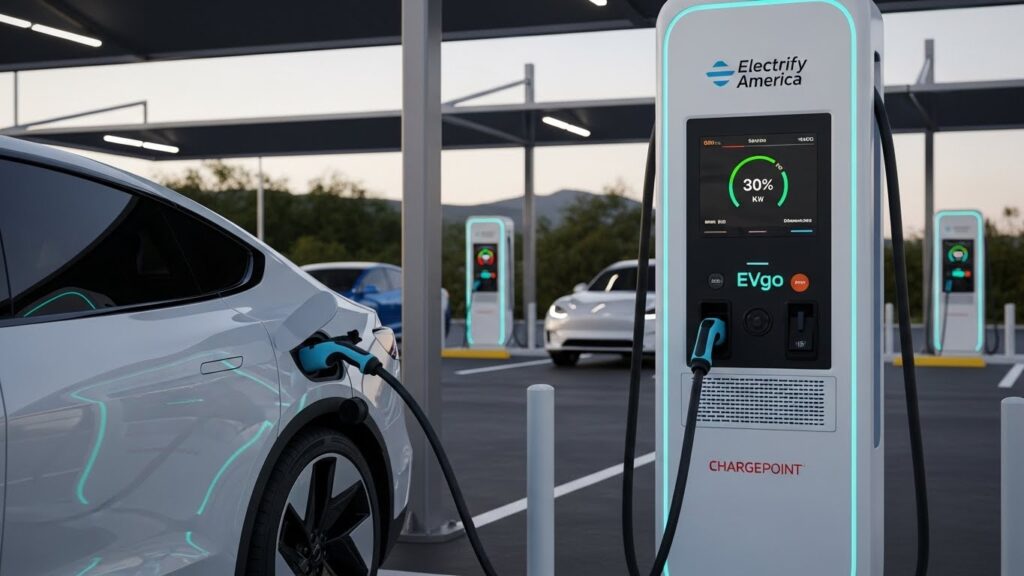
Electric Vehicle Charging Stations
The Essential Guide to Powering Your EV
As electric vehicles (EVs) surge in popularity, the network that fuels them—the charging infrastructure—is becoming just as critical as gas stations once were. Understanding EV charging stations is key for current owners, future buyers, and anyone curious about the transportation revolution.

ZAMKAF Extreme Quality Work Infrastructure with Innovation
- Leading provider of electrical, automation, and intelligent systems across Pakistan.
- Expertise in ETTM, weighbridges, toll plaza electrification, and solar projects.
PRINCIPALS AND ASSOCIATES


The Three Levels of EV Charging
Power Source: Standard 120V household outlet.
Speed: Very Slow. Adds about 3-5 miles of range per hour.
Best For: Overnight charging at home for drivers with low daily mileage. It requires no special equipment beyond the cable that comes with the car.
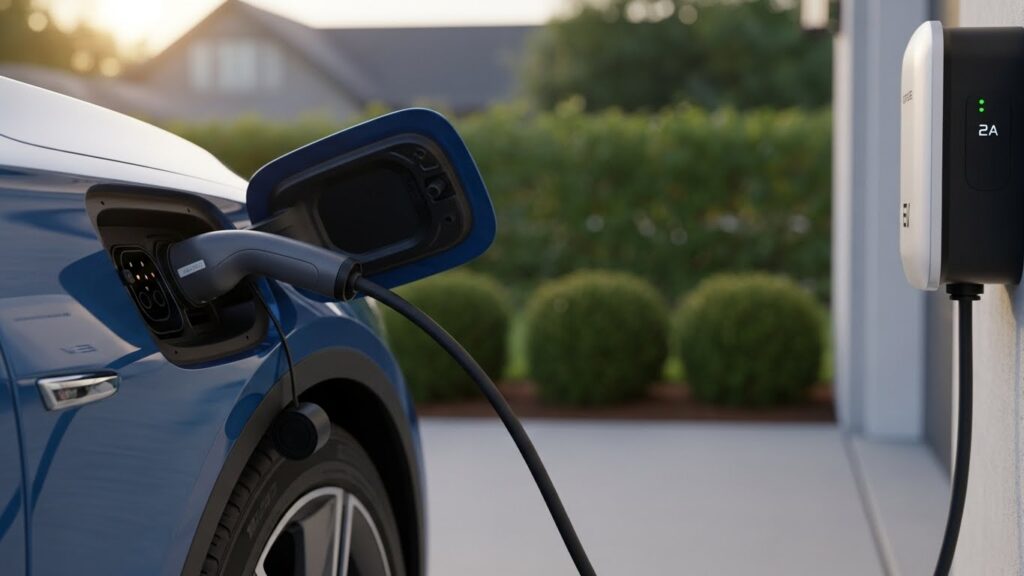
Power Source: 240V outlet, like those used for clothes dryers.
Speed: Good. Adds 20-40 miles of range per hour. A full charge typically takes 4-8 hours.
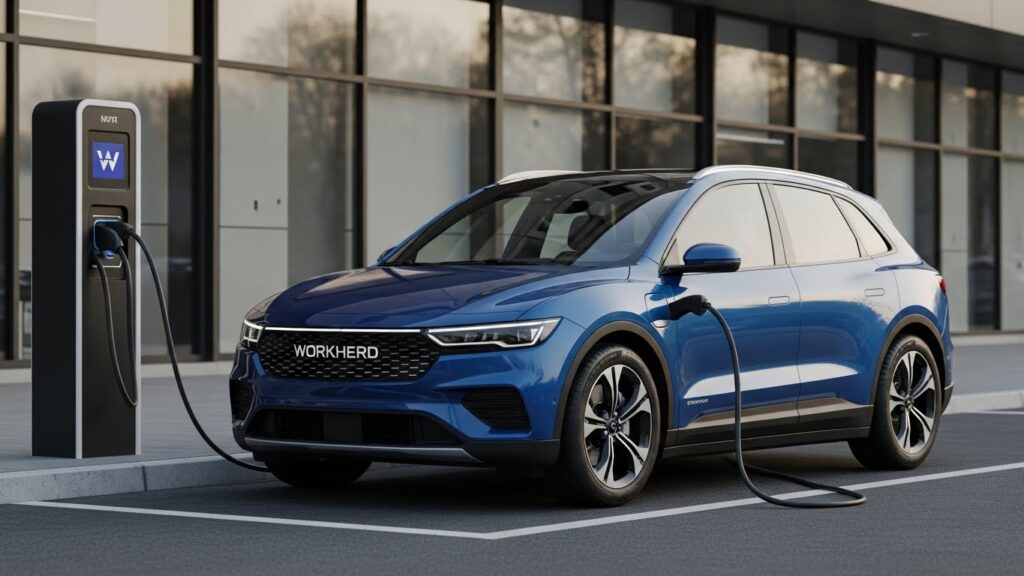
Best For: Home (with a professionally installed charging unit), workplaces, and public locations like grocery stores, shopping centers, and parking garages. This is the most versatile and commonly used type.
Power Source: High-power 480V+ direct current (DC) supply.
Speed: Very Fast. Can add 100-250+ miles of range in 20-45 minutes, depending on the vehicle and charger.
Best For: Long-distance travel along highways and for quick top-ups when needed. Found at dedicated charging plazas and rest stops. Note: Not all EVs are equipped for DC Fast Charging.
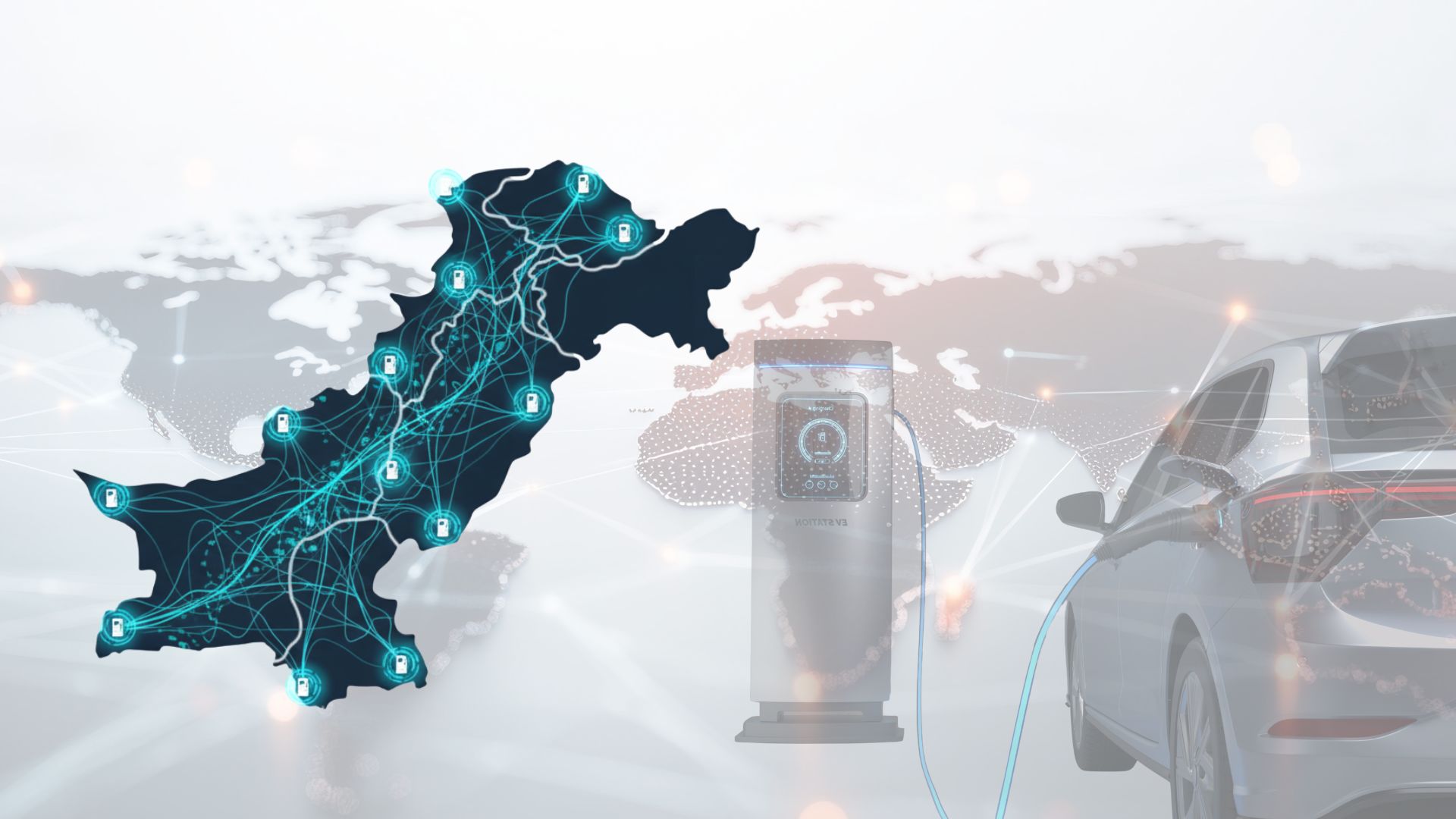
Electric Vehicle Where to Find Charging Stations
A network of hundreds of thousands of public chargers is expanding rapidly. You can find them via: